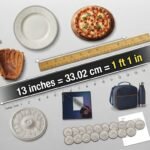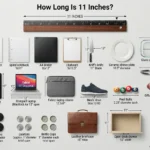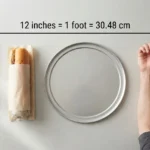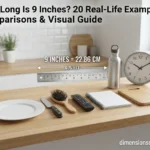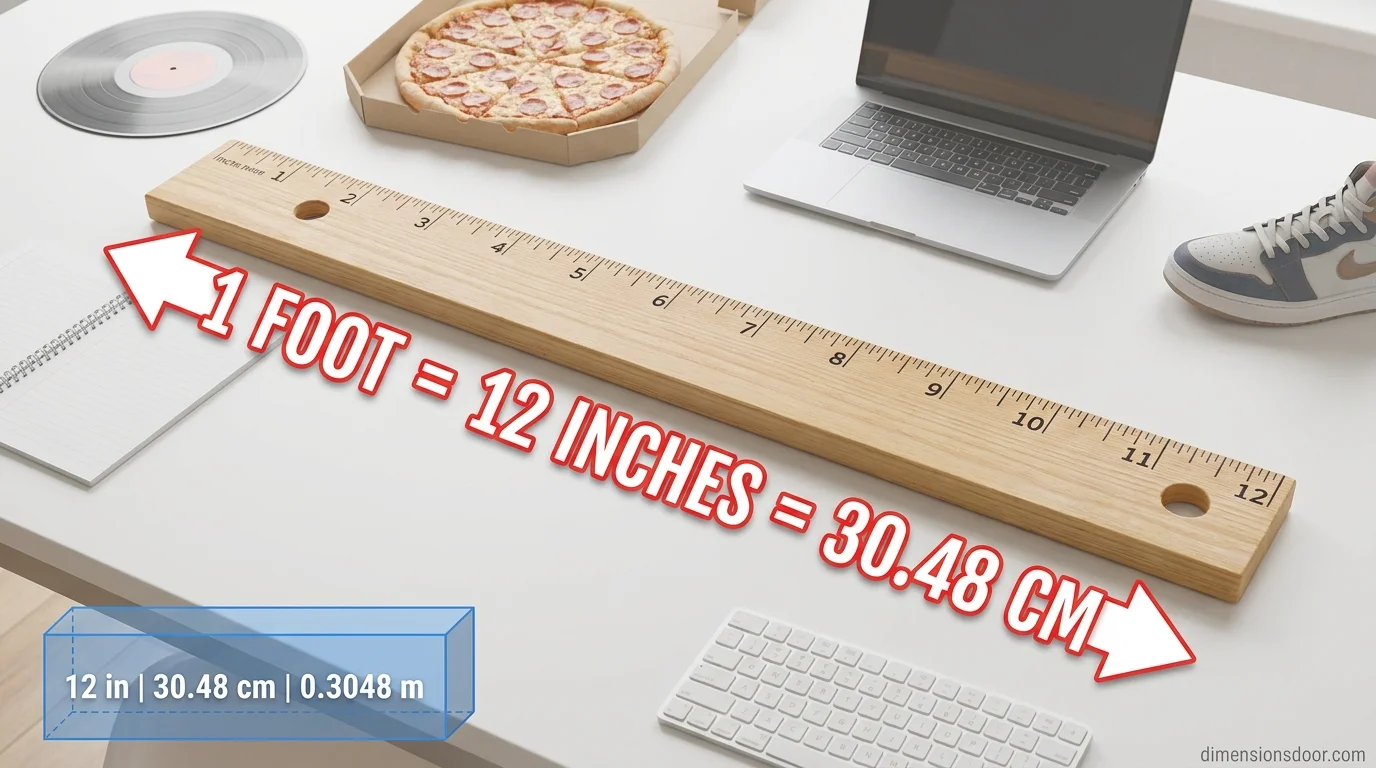
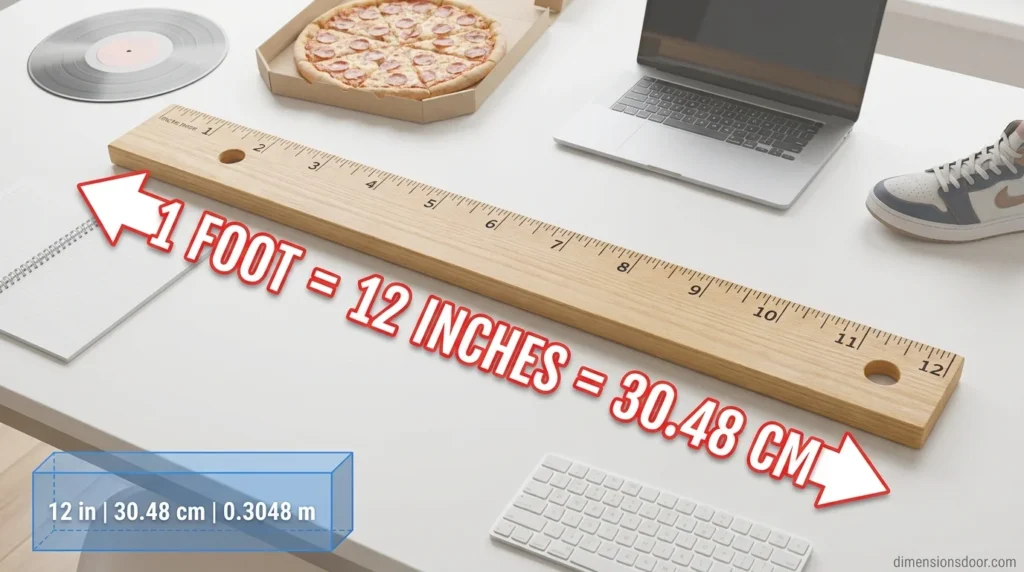
Grab a ruler, or don’t — you won’t need one after this. 1 foot equals 12 inches, or 30.48 centimeters, exactly. That’s not a rounded guess. It’s the official international standard, set by agreement in 1959 and confirmed today by the National Institute of Standards and Technology.
Numbers are easy to forget, though. Pictures stick. So this guide shows you how Long Is 1 Foot, using 15 things you already own or see every day.
Table of Contents
What Is 1 Foot? Definition, Origin & Quick Conversion Chart
A foot is a unit of length used in the imperial and US customary systems. One foot breaks down into 12 inches, or one-third of a yard. In the metric system, that’s 30.48 cm, 304.8 mm, or 0.3048 meters.
This isn’t an estimate. Since a 1959 international agreement, the foot has been fixed at exactly 0.3048 meters — no rounding, no wiggle room (Wikipedia, Foot (unit)). The US even retired an older, slightly different version called the survey foot in 2022, so every foot measured anywhere in the country now lines up with the same global standard (NIST Handbook 44, 2026).
Here’s the quick-reference table:
| Unit | Equivalent to 1 Foot |
|---|---|
| Inches | 12 in |
| Centimeters | 30.48 cm |
| Millimeters | 304.8 mm |
| Meters | 0.3048 m |
| Yards | 0.333 yd |
Why isn’t a real human foot exactly 12 inches? Good question, and the name is a little misleading. The unit was originally based on the length of a human foot, back in ancient Rome and Greece. But actual feet vary from person to person, so the measurement got standardized centuries ago into a fixed, unchanging length. The average adult shoe size in the US lands closer to 10–11 inches, not 12 — so don’t measure your living room with your sneaker.
Quickly convert feet to inches with our easy-to-use Feet to Inches Converter for fast, accurate measurements in just seconds.
How Long Is 1 Foot Visually? Simple Ways to Picture It
Numbers on a page don’t mean much until you connect them to something real. Here are three fast mental anchors.
The paper trick. A standard US letter-size sheet of paper is 11 inches on its long side — just an inch shy of a full foot. Hold one up, and you’re basically staring at 1 foot of length.
The forearm trick. Measure from your elbow to your wrist. For most adults, that distance lands close to 12 inches. It’s not precise enough for carpentry, but it’s a solid gut-check when you’re standing in a store aisle with no tape measure.
The bottle trick. A standard two-liter soda bottle stands about 12 inches tall. Next time you’re in the kitchen, stand one next to whatever you’re trying to size up.
None of these replace an actual ruler. But they turn an abstract number into something you can feel, which is the whole point of visual comparison.
15 Everyday Things That Are 1 Foot Long
Some objects are engineered to hit exactly 12 inches. Others just happen to land close. Below, each one gets its own explanation, so you know exactly why it works as a reference — and how reliable it really is.
Standard ruler
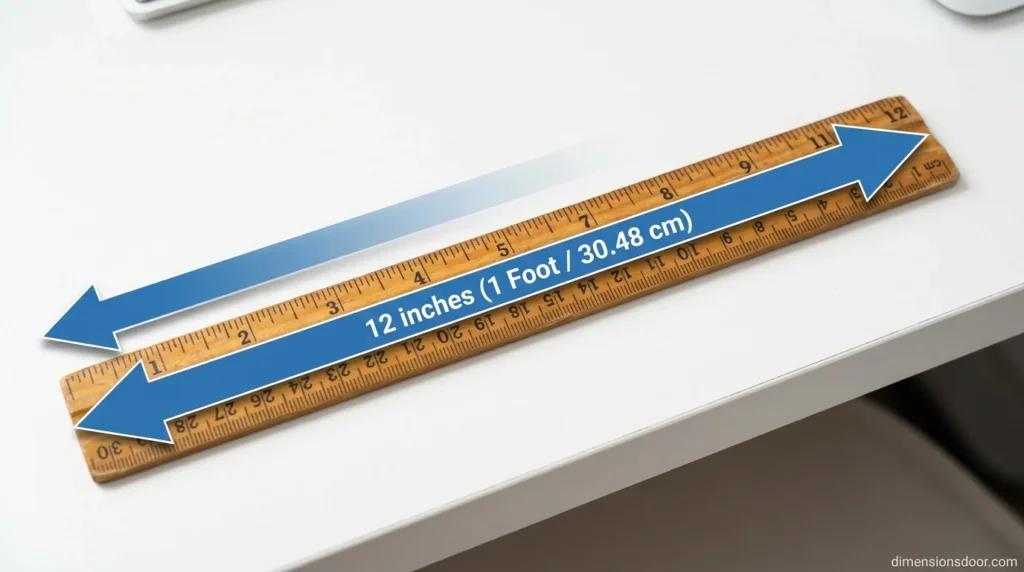
A classroom or office ruler is manufactured to be exactly 12 inches long, making it the single most accurate visual reference on this entire list. Most rulers also print centimeters along the opposite edge, so you can eyeball both systems side by side. If you only remember one item from this list, make it this one — everything else is an approximation, but a ruler is the real thing.
Vinyl record (12-inch LP)
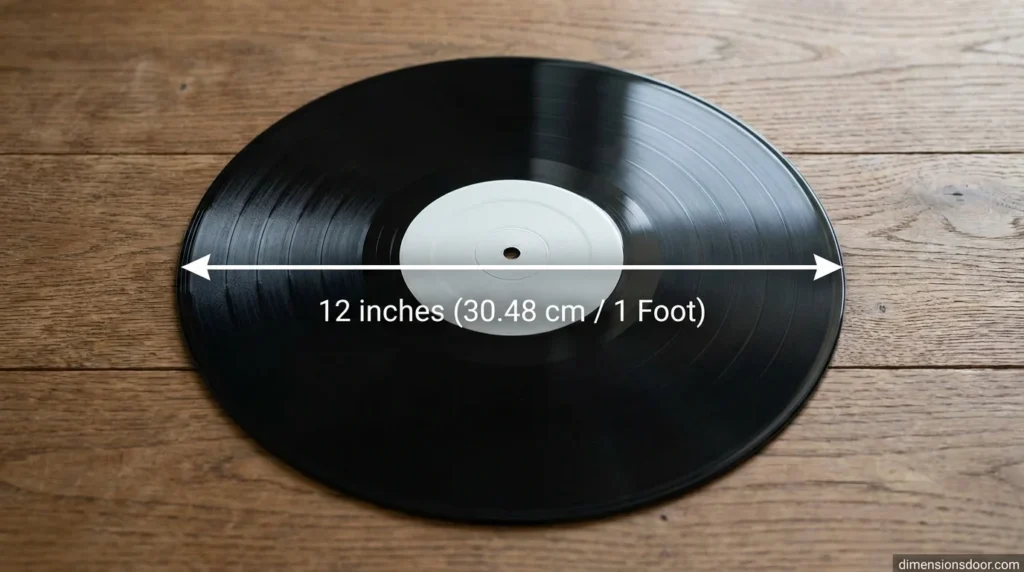
The standard vinyl LP has measured exactly 12 inches across since the format launched in the late 1940s, and that spec never changed. It’s a genuinely precise stand-in for a ruler if you happen to own one and don’t own a tape measure. Audio engineers and collectors still reference “the 12-inch” as shorthand for this exact format size.
Footlong sub sandwich
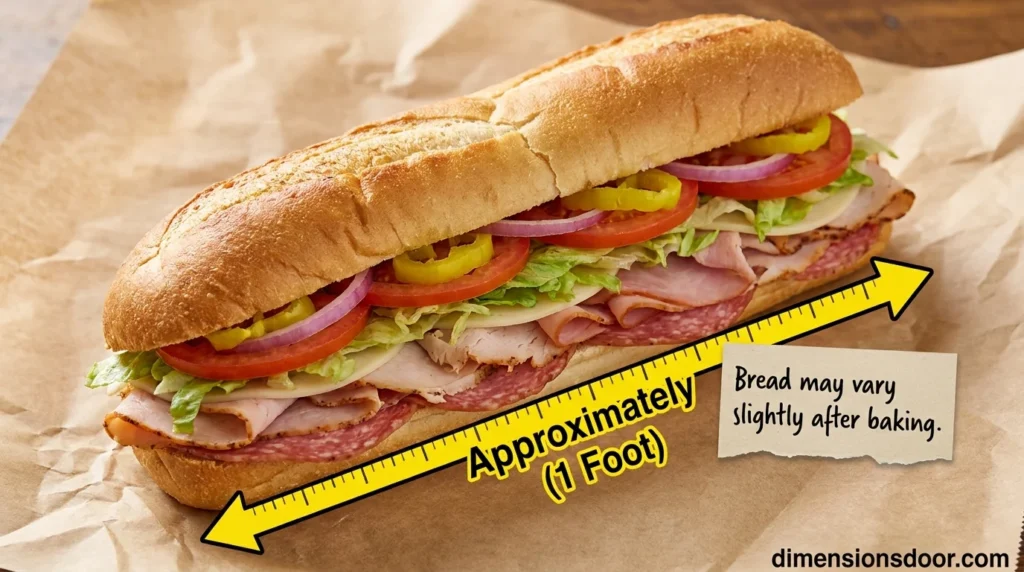
Sandwich chains build their “footlong” product to land at approximately 12 inches, though bread naturally shrinks or stretches slightly during baking. It’s not laboratory-precise, but it’s close enough that the comparison holds up in daily conversation, which is exactly why the marketing term caught on in the first place.
Small pizza
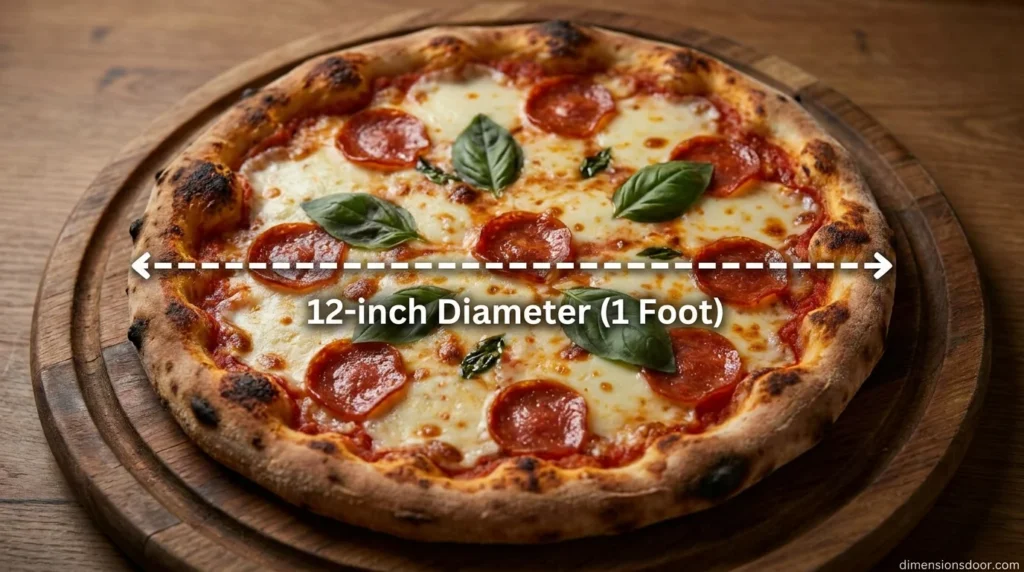
A “small” pizza at most US pizzerias is sized at a 12-inch diameter, meaning the distance straight across the pie equals 1 foot. This is a useful example because it shows that a foot can measure width or diameter, not just straight-line length — a detail people often overlook.
Large frying pan
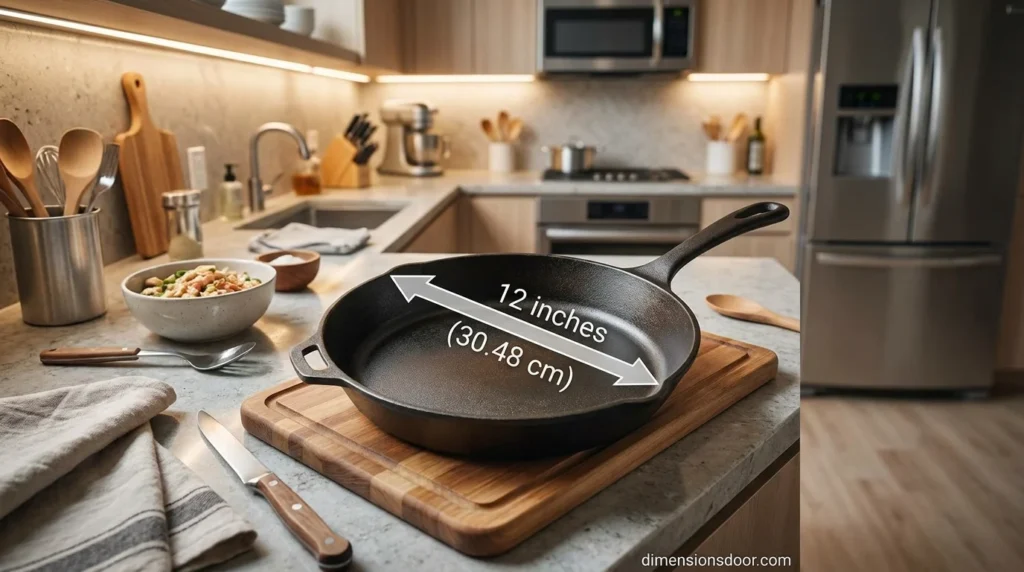
Many large skillets and frying pans list a 12-inch diameter on the packaging, measured either from rim to rim or across the cooking surface. Kitchen equipment is one of the more consistently labeled product categories for this kind of comparison, since cookware sizing is standardized for consumer clarity.
Laptop width (13–14 inch models)
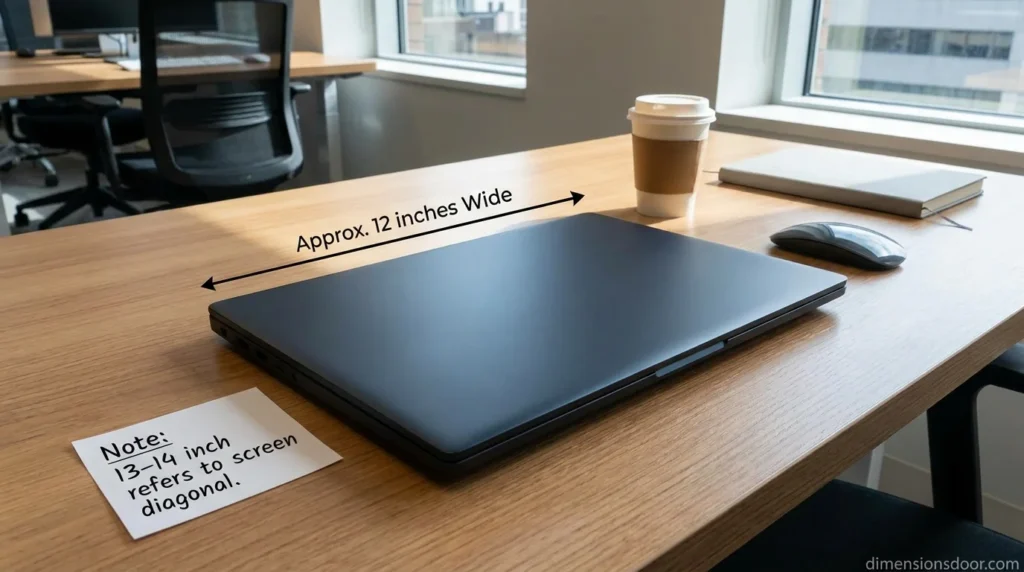
Laptops with 13 to 14-inch screens (measured diagonally) typically have a physical width close to 12 inches when closed. This is a handy desk-side reference, since most people already have a sense of how much space their laptop takes up.
Letter-size paper, long side
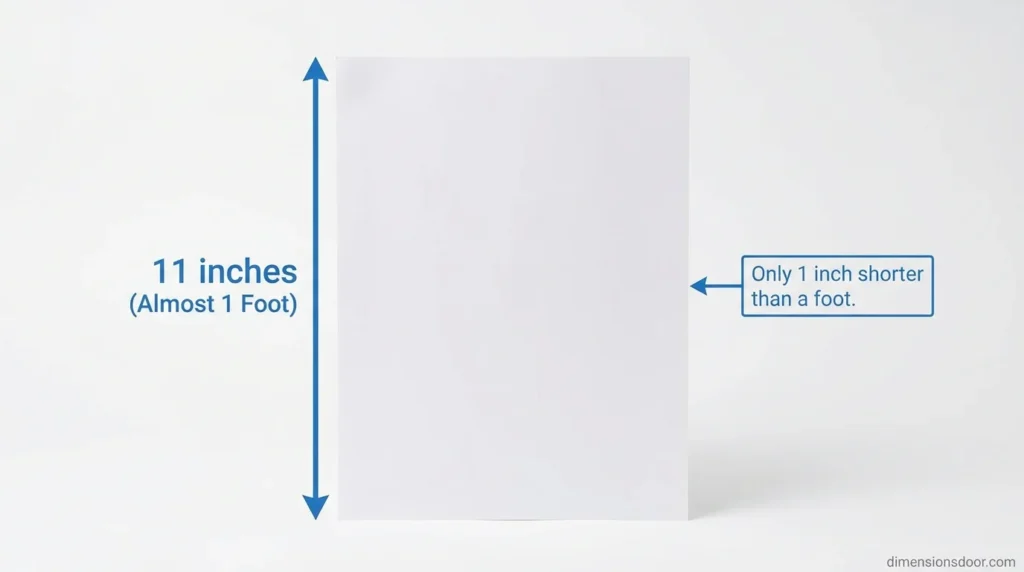
A standard US letter sheet measures 11 inches on its long edge — just shy of a full foot. It’s not exact, but paper is something almost everyone has within arm’s reach, which makes it one of the most practical quick references on this list.
Adult shoe (men’s average)
An average men’s shoe in the US lands close to 12 inches in overall length, though this varies by size and brand. It’s a familiar, wearable reference point, but treat it as a rough guide rather than a precise one, since sizing charts differ across manufacturers.
Two US dollar bills, end to end
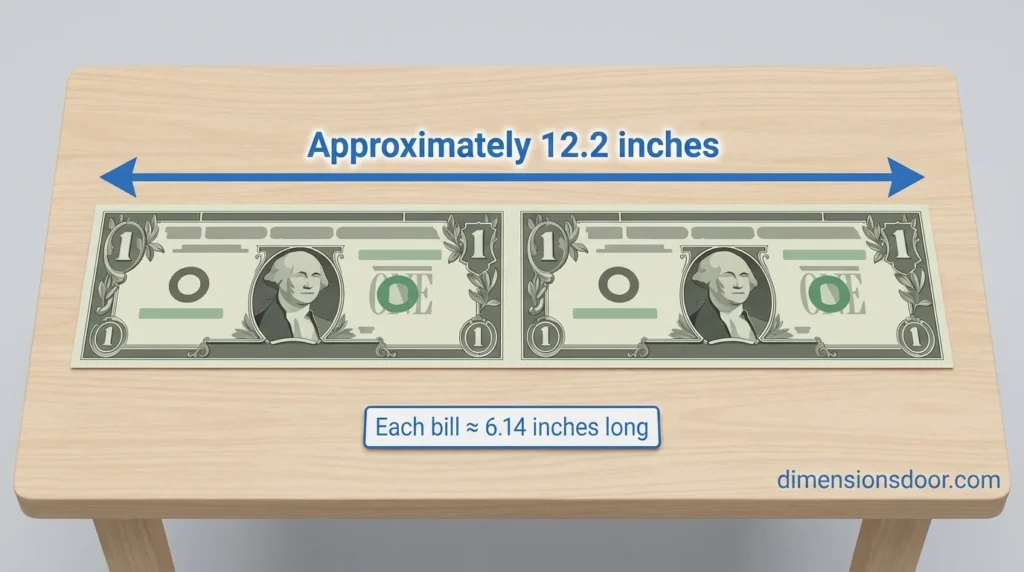
A single US bill measures 6.14 inches long, so two placed end to end come out to roughly 12.2 inches — remarkably close to a full foot. Currency is standardized and always nearby, which makes this one of the more surprising and genuinely useful tricks on this list.
Standard tablet, long side
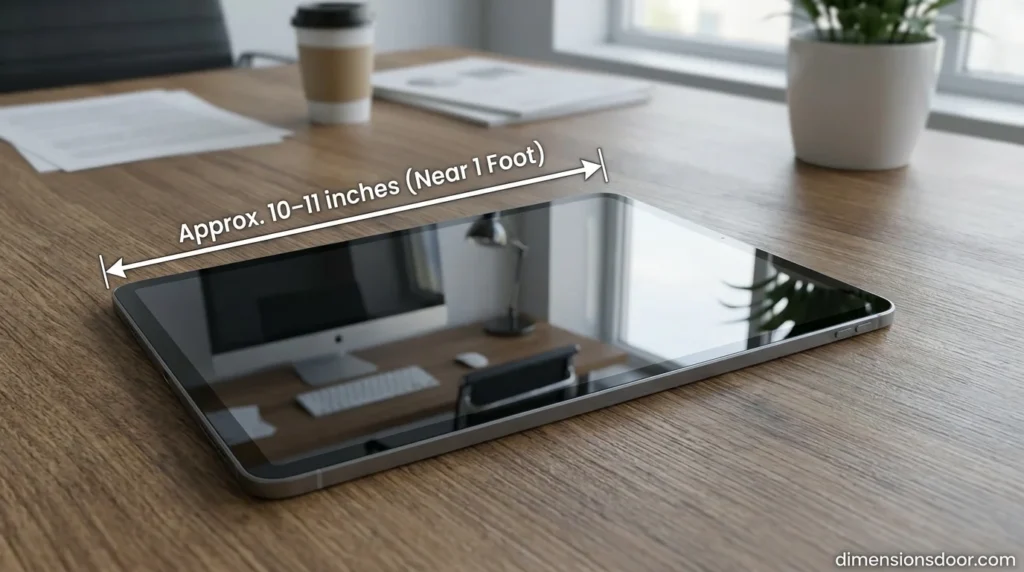
Most full-size tablets measure somewhere between 10 and 11 inches along their longer edge. It’s not a perfect 12-inch match, but it’s close enough to sketch a rough mental picture, especially for anyone who already owns one.
Compact keyboard
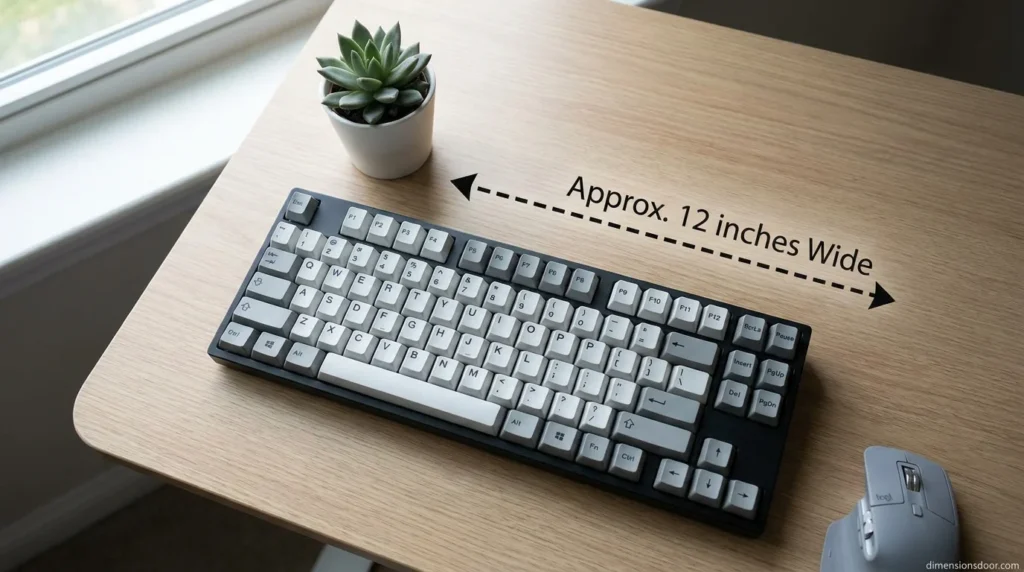
Compact and tenkeyless keyboards, which skip the numeric pad, often measure close to 12 inches in width. This makes them a solid desk-based reference for anyone setting up a workstation or comparing device sizes side by side.
Small backpack height
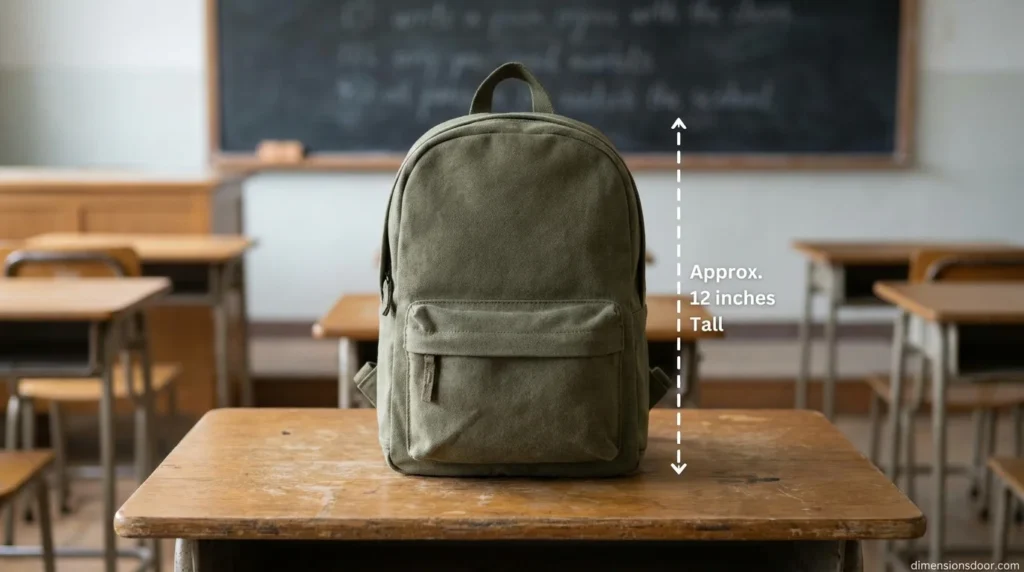
Smaller backpacks, particularly ones built for children or minimalist daily carry, often stand around 12 inches tall. Because backpacks come in such a wide range of sizes, this comparison works better as a general impression than a precise benchmark.
Men’s dress shoebox
A standard dress shoebox typically runs around 13 inches in length, slightly longer than a foot but close enough to use as a rough visual anchor. It’s a good example of how “close to 12 inches” objects are often more common in daily life than exact ones.
School composition notebook
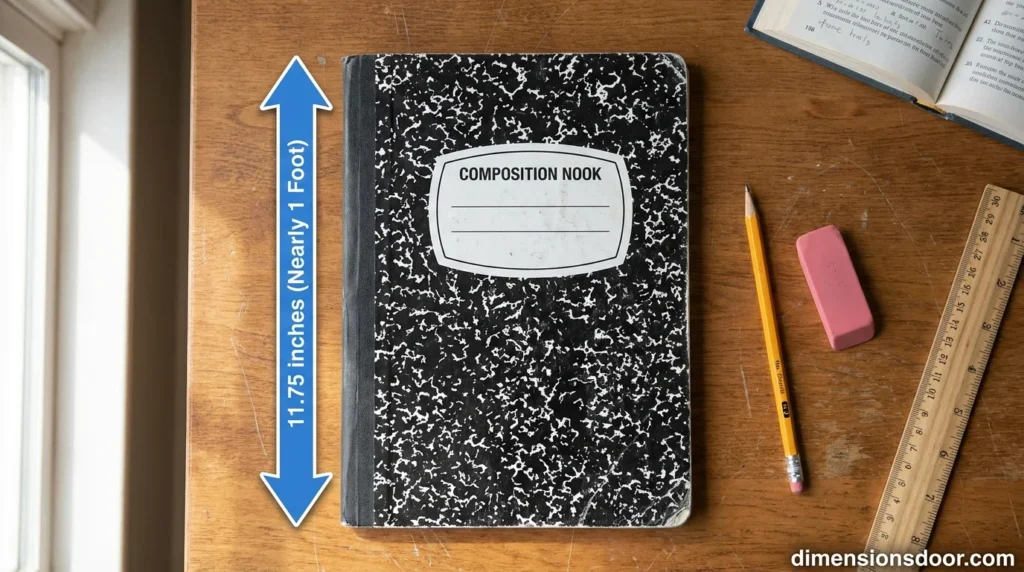
The classic wide-ruled composition notebook measures about 11.75 inches in length, a fraction under a full foot. Nearly every US student has handled one of these at some point, which makes it an easy, relatable comparison for younger readers.
Three stacked standard bricks
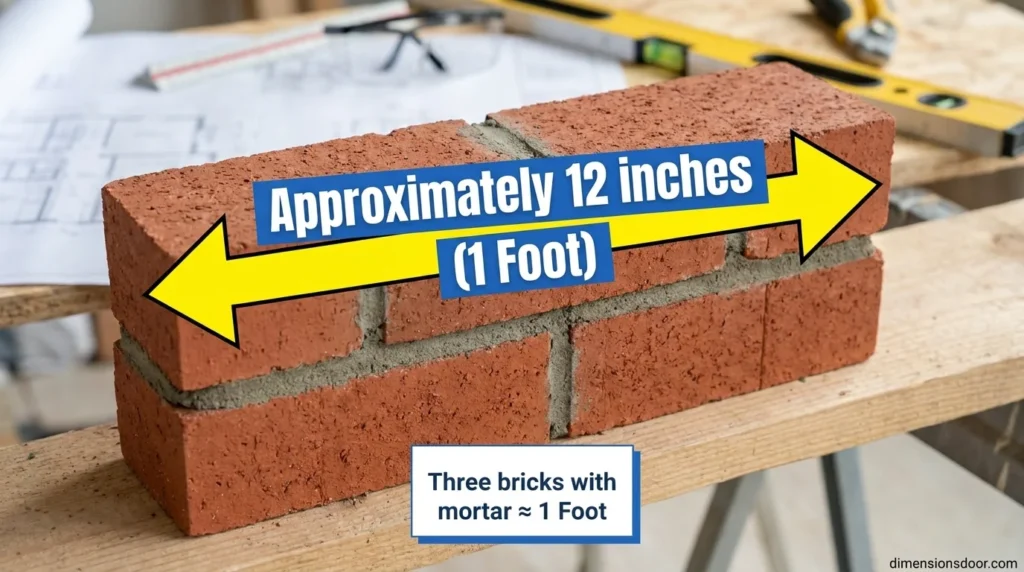
A single US modular brick runs about 7.6 inches long, but bricklayers don’t measure single bricks — they measure runs. Stack three bricks with standard mortar joints between them, and the total length lands almost exactly at 1 foot. This is a real trick tradespeople use on job sites to eyeball measurements without constantly reaching for a tape measure.
Must Visit: How Long Is 75 cm? 15 Everyday Objects That Are 75 Centimeters Long
How to Measure 1 Foot by Hand (No Ruler Needed)
Sometimes you need a rough measurement right now, with nothing but your own body. Here’s how tradespeople and DIYers do it.
Step 1
Find your personal reference points. Measure your own forearm (elbow to wrist) and your hand span (thumb tip to pinky tip, stretched wide) against an actual ruler, one time. Write the numbers down. Everyone’s proportions differ slightly, so this calibration step matters.
Step 2
Use that number as a repeatable unit. If your forearm measures 11.5 inches, you now have a built-in, always-available measuring stick that’s close enough for rough estimates.
Step 3
Know when hand-measuring is fine — and when it isn’t. Estimating shelf space, guessing if a couch will clear a doorway, or roughing out a garden bed? Hand measuring works. Cutting lumber, filing a real estate listing, or anything involving a building permit? Use an actual tape measure. Precision measurement is a legal requirement in construction and real estate documentation, not just a nice-to-have.
This technique isn’t new — it’s the same body-based estimation method builders relied on for centuries before standardized tools were common. It’s still genuinely useful today, just not for anything official.
1 Foot Conversions Made Easy (Inches, CM, Meters & More)
Converting feet is simple once the core relationship clicks: 1 foot = 12 inches, always.
Feet to inches: multiply by 12. Example: 3 feet × 12 = 36 inches.
Inches to feet: divide by 12. Example: 48 inches ÷ 12 = 4 feet.
Feet to centimeters: multiply by 30.48. Example: 5 feet × 30.48 = 152.4 cm.
Feet to meters: multiply by 0.3048. Example: 6 feet × 0.3048 = 1.8288 meters.
Here’s the full quick-reference table:
| Feet | Inches | Centimeters | Meters |
|---|---|---|---|
| 1 ft | 12 in | 30.48 cm | 0.30 m |
| 2 ft | 24 in | 60.96 cm | 0.61 m |
| 3 ft | 36 in | 91.44 cm | 0.91 m |
| 5 ft | 60 in | 152.4 cm | 1.52 m |
| 6 ft | 72 in | 182.88 cm | 1.83 m |
The most common mistake people make isn’t the math — it’s mixing up feet with square feet. A room that’s “12 feet long” is a length. A room that’s “144 square feet” is an area. These get confused constantly in real estate listings and home improvement projects, so double-check which one you’re actually reading before you buy flooring or furniture.
Another frequent mix-up: feet versus yards. Since 1 yard equals 3 feet, a “10-yard” measurement is actually 30 feet — a difference that matters a lot when you’re ordering mulch, fabric, or turf.
FAQs
What does 1 ft look like?
1 foot looks roughly like a standard 12-inch ruler laid flat, a 12-inch vinyl record, or a footlong sandwich. It’s also close to the distance from an adult’s elbow to their wrist.
How long is 1 ft visually?
Visually, 1 foot is just under the long side of a standard US letter-size sheet of paper (which is 11 inches), or about the height of a two-liter soda bottle.
How to measure 1 foot by hand?
Measure your own forearm (elbow to wrist) or hand span against an actual ruler once, note the number, and use that body measurement as a rough, repeatable guide going forward. It won’t be exact, but it’s reliable enough for everyday estimates.
Is 1 foot 30 cm?
Almost — 1 foot equals exactly 30.48 centimeters, not an even 30. Rounding to “30 cm” is close enough for quick mental math, but not accurate for anything requiring precision.
What object is 1 ft long?
A standard ruler, a 12-inch vinyl record, and a footlong sandwich are all reliably close to 1 foot. For a more precise reference, a ruler or a vinyl record is exact; food-based comparisons vary more by brand.
Conclusion
1 foot equals 12 inches, or 30.48 centimeters — a fixed, internationally standardized length, not a rough guess. Once you connect that number to something familiar, whether it’s a ruler, a record, or your own forearm, you’ll never need to second-guess a foot-based measurement again.

William Ahad is the founder and lead writer at DimensionsDoor, where he researches and publishes verified measurement guides covering doors, furniture, appliances, and everyday objects. With a background in home improvement and product research, William has spent years cross-checking manufacturer specifications, industry standards, and real-world listings to help readers get accurate dimensions before they buy, build, or install anything.